Minecraft AI Creation Tools Turn Text Into 3D Models, Schematics, and Plugins
A wave of AI generators now turns text prompts and concept art into Minecraft Blockbench models, WorldEdit schematics, resource packs, and compiled plugins.
 9Minecraft Team
A growing suite of artificial intelligence tools is changing how custom assets, structures, and server plugins are made for Minecraft. Platforms including Brikk, Meshy, Spaleforce, and the MineClawd agent framework now allow creators to move from a written prompt or concept image directly to native Blockbench files, WorldEdit schematics, texture packs, and compiled Java plugins.
Cube-Native Models vs Full 3D Mesh Conversion
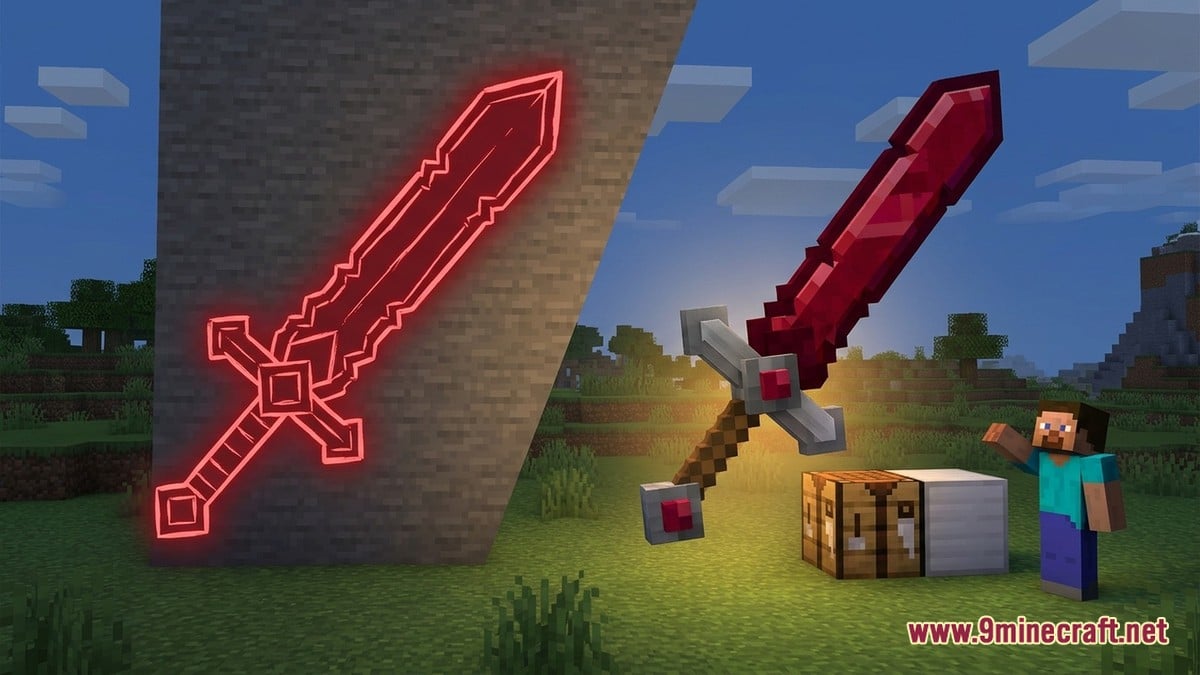
Because Minecraft Java Edition block and item models rely strictly on cuboid elements—and Bedrock Edition geometry follows cube-based rules in practice—standard 3D meshes cannot load directly as vanilla model files. According to brikke.vercel.app, Brikk solves this by generating named cube geometry directly from a sentence, complete with material-aware pixel textures such as dragon scales, brushed metal, or wood grain, while automatically welding detached parts.
Inside the Brikk Studio viewer, creators can check proportions against a player reference, apply walk, fly, attack, or idle animations, and export to .bbmodel, Java JSON, Bedrock geometry, or GLB with a packed texture atlas. The platform also supports one-click draft publishing to Sketchfab via an API token so creators can sell assets on BuiltByBit or Polymart.
As noted on brikke.vercel.app, the platform has temporarily paused free monthly tokens to manage capacity, though paid plans and one-time top-ups ($1 for 10 tokens) remain active. A full model generation costs 10 tokens, an animation costs 5, and a retexture costs 3, with non-expiring 60-token referral bonuses awarded when a referred friend buys their first subscription.
By contrast, meshy.ai details a workflow for full polygon meshes that generates PBR maps—base colour, roughness, metallic, and normal—exporting to OBJ, GLB, FBX, USDZ, STL, BLEND, 3MF, and DXF. While Meshy does not output 64x64 skin PNGs, uploading a Minecraft skin turns it into a 3D figure for Blender renders, Unity, Unreal, Godot, or 3D printing.
- Generate a 3D model from a text prompt or reference image in Meshy and remesh it to a clean low-poly quad budget.
- To place it as world blocks, export an OBJ or GLB, convert it through ObjToSchematic or Spaleforce's converter, and paste it using WorldEdit, FAWE, Litematica, or Axiom.
- To create a custom entity or item, open the OBJ in a Blockbench Generic Model project (or use the community glTF Importer plugin for GLB files).
- Lock the imported mesh as a reference, trace cube elements over its silhouette, delete the original mesh, and convert the project to a Java, Bedrock, or Hytale (.blockymodel / .blockyanim) format.
In-Game AI Agents and Schematic Generators
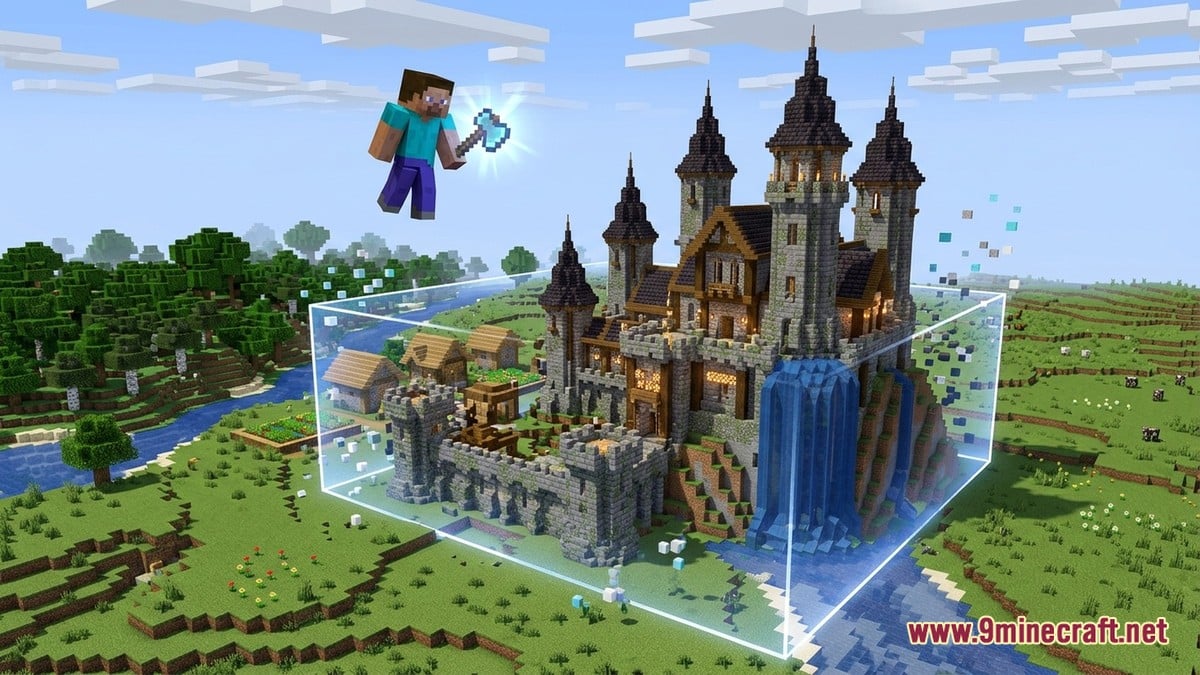
For full buildings and terrain, github.com developers behind the Cynia Agents framework announced they have paused active development on BuilderGPT—an Apache 2.0 licensed Streamlit tool powered by gemini-2.5-pro that exported .schem and .mcfunction files—in favour of a successor called MineClawd. Rather than relying on out-of-game prompts and manual file imports, MineClawd embeds the autonomous OpenClaw AI agent framework directly inside Minecraft to construct builds seamlessly in-game.
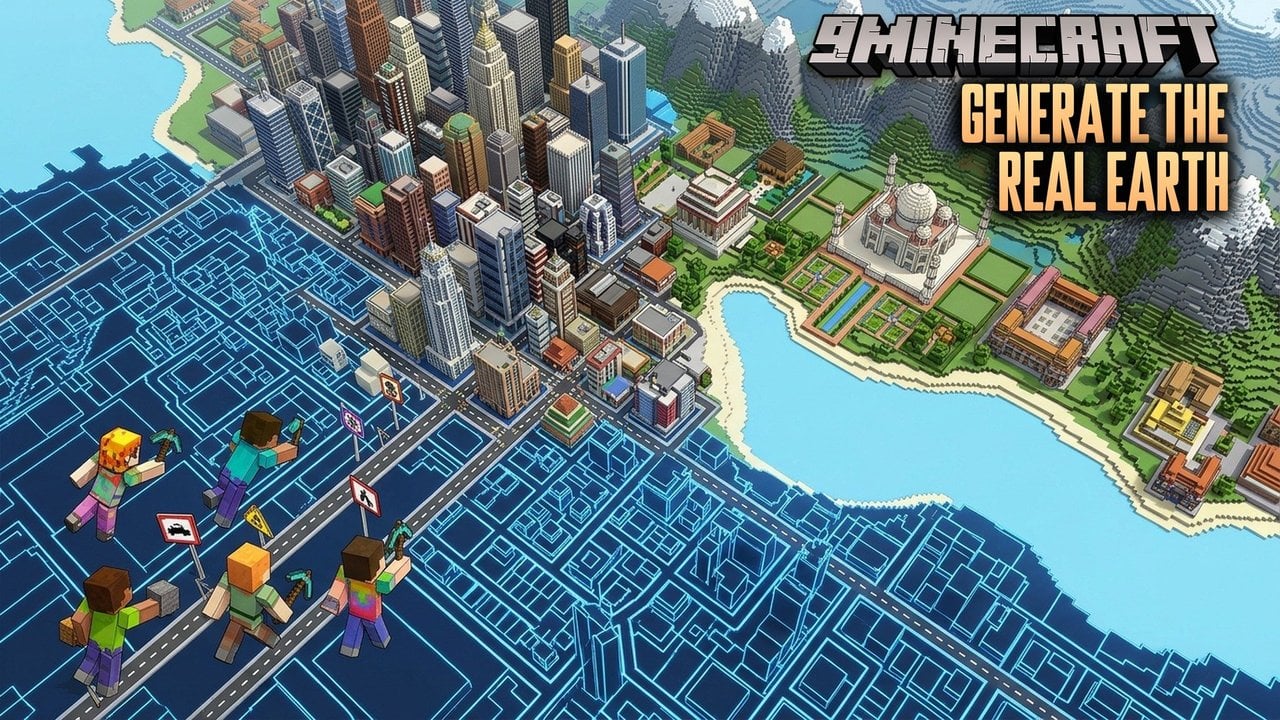
Browser-based suite spaleforce.com offers another route, generating .schem builds, castles, furnished houses, and full 512x512 custom Java worlds with rivers and relief from text prompts or uploaded screenshots. According to apatero.com, these structure generators rely on four computational stages: natural language feature extraction, volumetric spatial planning for navigable layouts, neural network block prediction, and post-processing for structural stability and doors.
| Platform / Framework | Primary Output | Supported Formats & Targets |
|---|---|---|
| Brikk | Cube models, pixel textures, animations | .bbmodel, Java JSON, Bedrock geometry, GLB, Sketchfab |
| Meshy | Full 3D meshes with PBR maps | OBJ, GLB, FBX, STL, 3MF, BLEND, USDZ, DXF |
| Spaleforce | Schematics, 512x512 worlds, plugins, mods, GUIs | .schem, .jar (1.16 to 26.3), .sk, .bbmodel, .blockymodel, 256x256 PNG |
| BuilderGPT / MineClawd | LLM-driven structures and in-game agent builds | .schem, .mcfunction, direct in-game placement |
| GDPC / MinecraftGAN | Algorithmic settlements and local neural builds | Java Edition worlds via Python 3.8+, PyTorch, TensorFlow |
As apatero.com explains, research from the Generative Design in Minecraft Competition (GDMC) led to the GDPC Python framework for terrain-adapted settlements, alongside local transformer and diffusion tools like MinecraftGAN and StructureGen, and Decart and Etched's real-time interactive world model Oasis AI. Running local neural structure generators requires Minecraft Java Edition, Python 3.8+, 5–10GB of free disk space, and at least 8GB RAM (16GB and a dedicated GPU recommended); players who need Java Edition or Bedrock Edition builds can grab them from our Android, iOS, Windows, patched and Java Edition download pages (including Android APK, iOS, Windows GDK, patched builds, and the 9Minecraft wiki), and should always back up their worlds before testing external schematics or agents.
Automated Code, Resource Packs, and Community Reaction
Beyond 3D geometry, spaleforce.com details AI generators that write and compile server plugins, mods, and Skript (.sk) files for Minecraft 1.16 through 26.1.1, 26.1.2, 26.2, and 26.3 (plus Hytale server plugins), competing alongside tools like Minax, Kodari, Orca, EndCrystal, and BukkitGPT. Users can generate Paper, Spigot, Purpur, and region-safe Folia plugins (including Vault economy, Skyblock, Bedwars, and Lifesteal SMP systems), Fabric and NeoForge mods, and vanilla data packs, then test the compiled .jar on a live server.
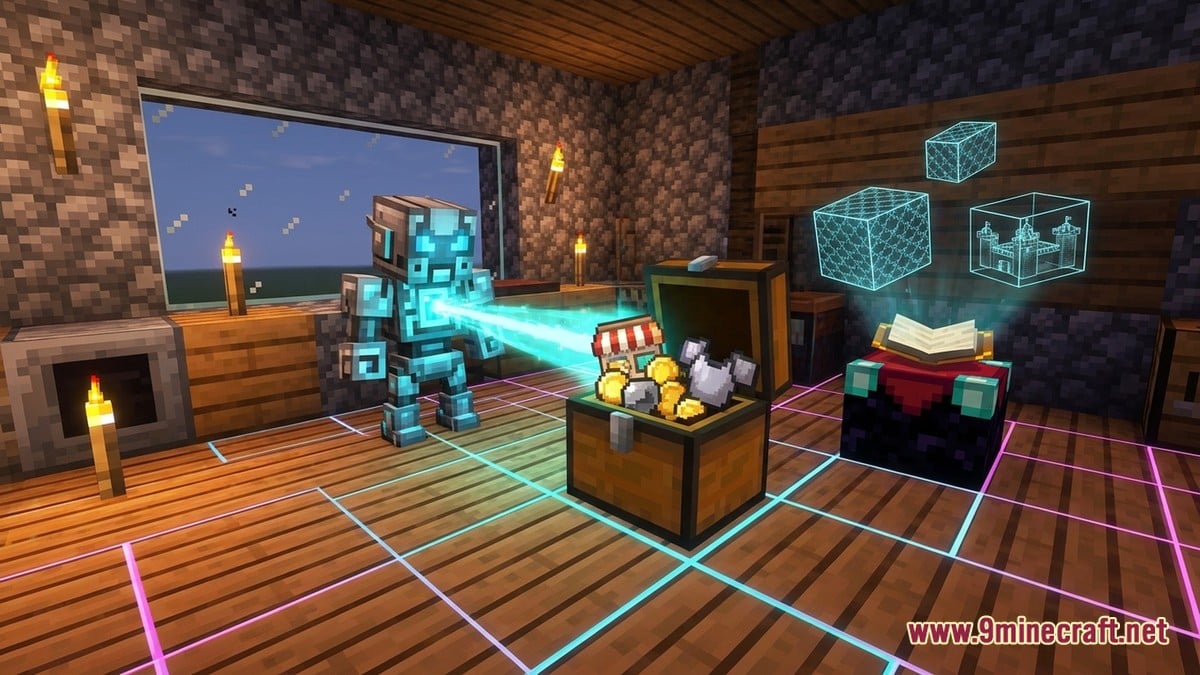
For 2D art, Spaleforce offers a free tier that repaints up to 200 tileable 16x16 or HD block textures per day into a version-matched resource pack .zip, alongside 10 free 256x256 pixel-art GUI menu textures daily as an alternative to Pixel GPT and Deep Pixels. Meanwhile, rundiffusion.com positions its cloud platform—active since 2022—around AI Sketch to Image and texture generation to help creators avoid burnout when producing foliage and cobblestone variations.
Across creator feedback and community discussions, 3D artists praise how quickly Meshy turns rough concepts into printable figures and textured meshes without manual UV mapping, noting a sharp jump in prompt accuracy compared to earlier blob-like generations. On the other hand, veteran builders and modders point out the friction of local Python setups, capacity pauses on free tiers like Brikk's, and the annoyance of out-of-game schematic workflows that pushed BuilderGPT's creators toward MineClawd.
Which part of a Minecraft project would you most likely hand over to an AI generator?
Tap an option to vote