
NVIDIA RTX Remix 1.6 Brings Path Tracing to Minecraft Java Edition
Minecraft Java Edition players can now experience full path-traced lighting and DLSS acceleration thanks to the latest NVIDIA RTX Remix 1.6 update.
Minecraft News
Minecraft players have long sought the ultimate visual experience, and NVIDIA has just taken a massive step toward providing it for the Java Edition. With the release of RTX Remix version 1.6, the modding platform now officially supports Minecraft Java Edition v1.21.1. This update allows the game to be rendered with full path tracing, a high-end lighting technique that simulates the way light bounces off surfaces in the real world. According to Worthplaying, this transformation is made possible through a new Fabric mod that integrates the RTX Remix runtime directly into the game's rendering pipeline.
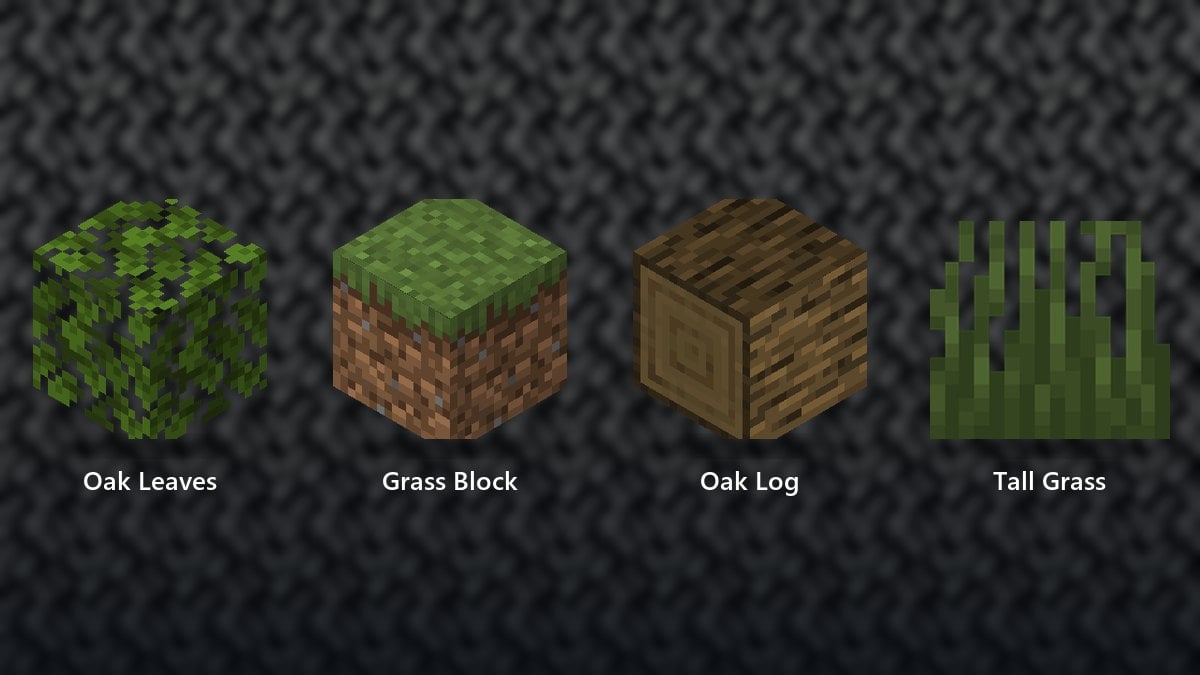
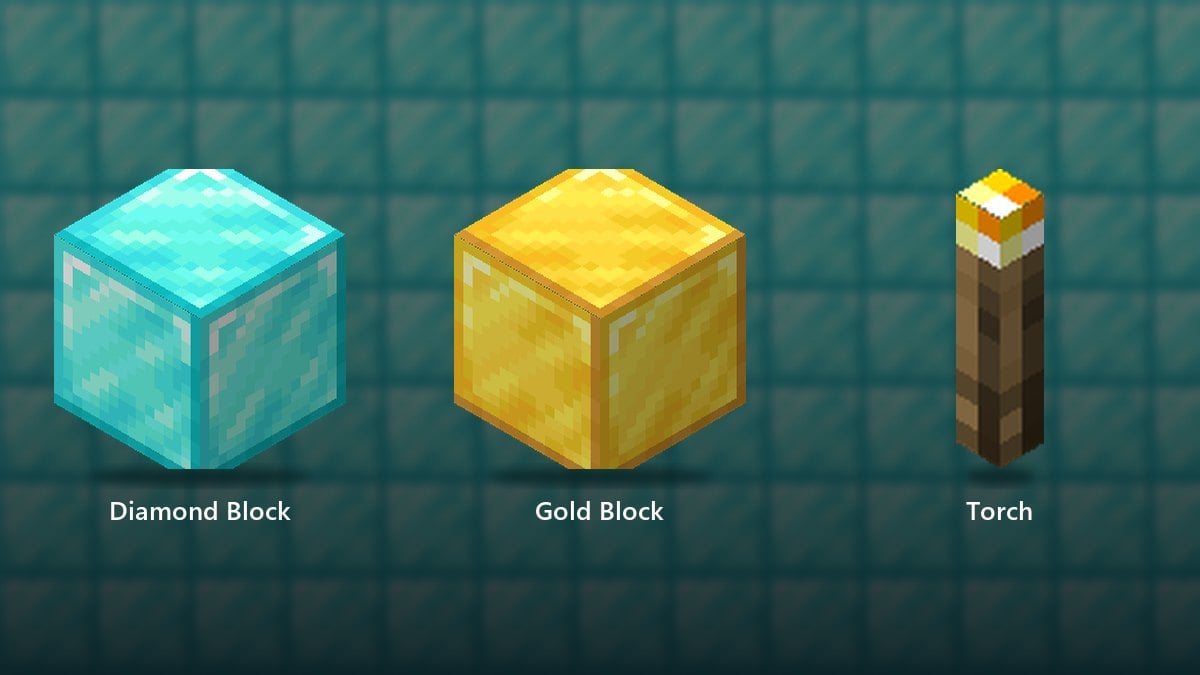
To help players get started, NVIDIA Lightspeed Studios has released a dedicated resource pack featuring high-resolution materials designed with physically-based rendering (PBR) principles. This means blocks like iron, gold, and stone will now react realistically to light sources. Root Nation reports that a sample world created by the well-known building group Blockworks is also included in the beta, giving players a chance to see these graphical upgrades in a professionally designed environment before they start building their own path-traced worlds.
Technical Breakthroughs in RTX Remix 1.6
The 1.6 update is not just about Minecraft; it introduces several cutting-edge technologies to the broader modding community. NVIDIA Omniverse Docs highlights the inclusion of DLSS 5, which features 3D-Guided Neural Rendering. This technology uses artificial intelligence to produce higher-quality pixels in complex scenes, particularly in areas where traditional ray tracing might struggle with noise. Additionally, the update brings support for up to 6x Multi Frame Generation, allowing for significantly smoother movement on compatible hardware.
For those using portable or alternative hardware, the update adds native support for Windows on ARM. This allows devices like the RTX Spark to run RTX Remix projects natively. TechPowerUp notes that these technical leaps are already being applied to other classic titles, with updates arriving for the Half-Life 2 RTX demo and Portal with RTX. Furthermore, AMD users may see a performance boost; community-submitted optimisations have improved frame rates by roughly 20% on certain AMD drivers by changing how the system handles ray tracing.
Phantom Blade Zero and the Future of DLSS
While Minecraft is the highlight for many, NVIDIA is also using this window to launch Phantom Blade Zero. As reported by Root Nation, this martial arts title features a swordsman named Soul who has only 66 days to live. The game serves as a showcase for DLSS 4.5, which includes Ray Reconstruction and Dynamic Multi Frame Generation. According to NVIDIA, these tools allow even the most demanding path-traced effects to run at high frame rates.
The performance targets for this new hardware are staggering. TechPowerUp shared data suggesting that an RTX 5090 can push Phantom Blade Zero to over 400 frames per second at 1440p resolution when using the full suite of DLSS 4.5 features. This level of performance is intended to make path tracing—often considered too heavy for standard gameplay—a viable option for everyday users with modern graphics cards.
Community Feedback and Player Reactions
The reaction from the Minecraft community has been a mix of awe and caution. Many creators on YouTube have praised the visual fidelity, noting that this solution finally brings the 'Bedrock RTX' look to the more mod-friendly Java Edition without relying solely on community shaders like Iris or SEUS. The ability to use DLSS Ray Reconstruction is being hailed as a 'holy grail' for cleaning up the grainy noise often seen in path-traced Minecraft videos.
However, the mood is not entirely celebratory. Many players in the comments sections have expressed concern over the hardware requirements. While the visuals are stunning, critics point out that the average player does not own an RTX 40 or 50-series card, making these features inaccessible to a large portion of the player base. There is also a sense of fatigue regarding the naming conventions of DLSS versions, with some users finding the jump from DLSS 3 to 5 confusing. Despite this, the general consensus is that providing more tools for modders is always a positive step for the longevity of the game.
Beyond the graphics, NVIDIA is also pushing into AI-driven gameplay. Root Nation mentions the introduction of Nemotron 3.5 Bolt, a small language model designed to run locally on GeForce RTX PCs. This technology is intended to power more realistic interactions with non-player characters (NPCs), allowing them to follow complex instructions and engage in more natural dialogue without needing a constant internet connection to a cloud server.
Reporting drawn from: Worthplaying, NVIDIA, NVIDIA Omniverse Docs, Root Nation, TechPowerUp. We read these sources and wrote this piece ourselves.