History Student Recreates UNI-Dome Stadium in Minecraft From Memory
A third-year history student rebuilt the entire UNI-Dome stadium in Minecraft in four days without using a single reference photograph.
 9Minecraft Team
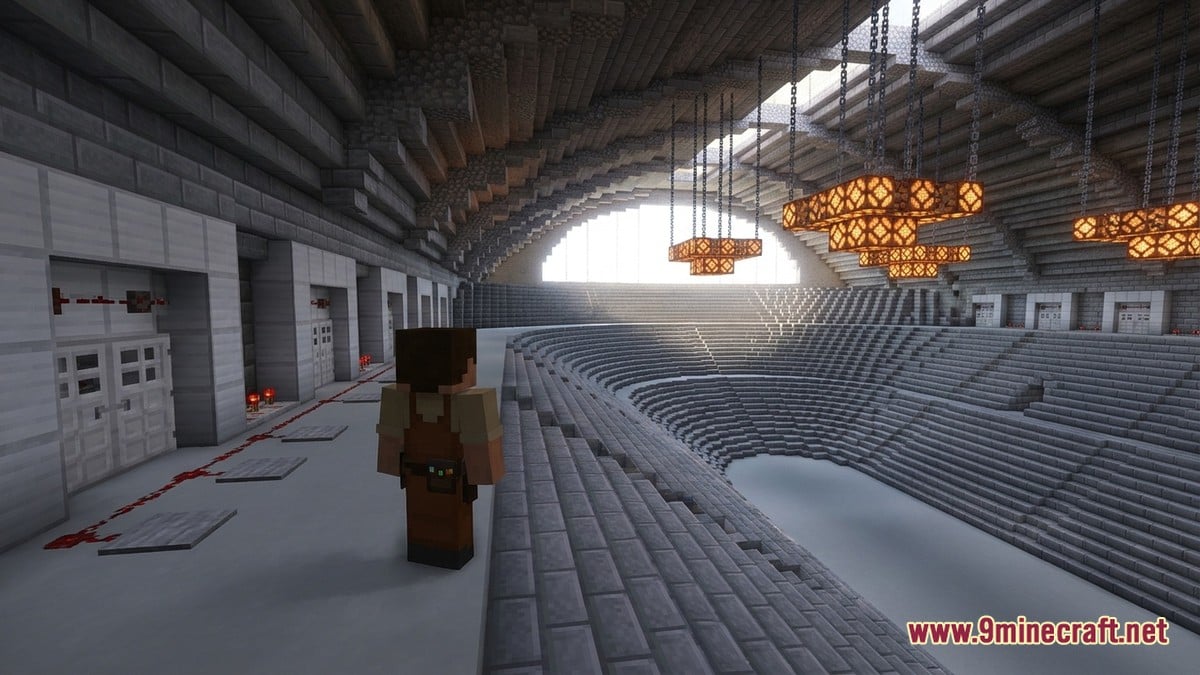
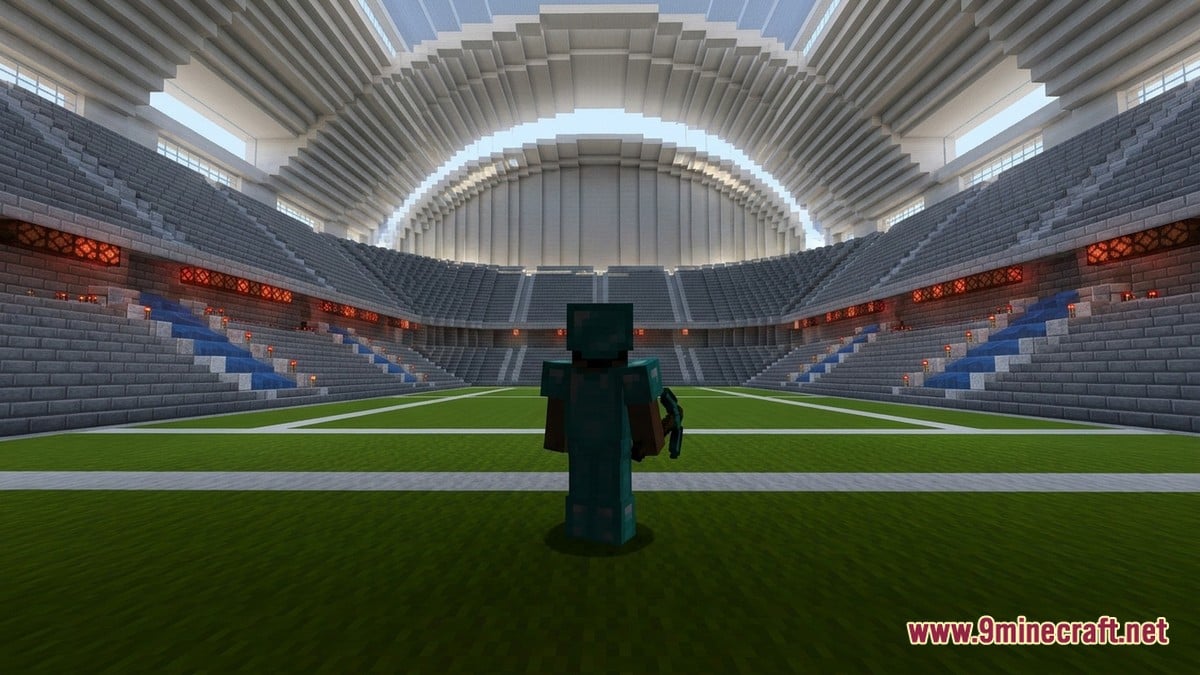
Tyler Garcia, a third-year history undergraduate at the University of Northern Iowa, has constructed a full replica of the campus UNI-Dome stadium inside Minecraft. As reported by northerniowan.com, the student from Wilton, Iowa completed the entire structure across four days without consulting a single reference photograph or video.
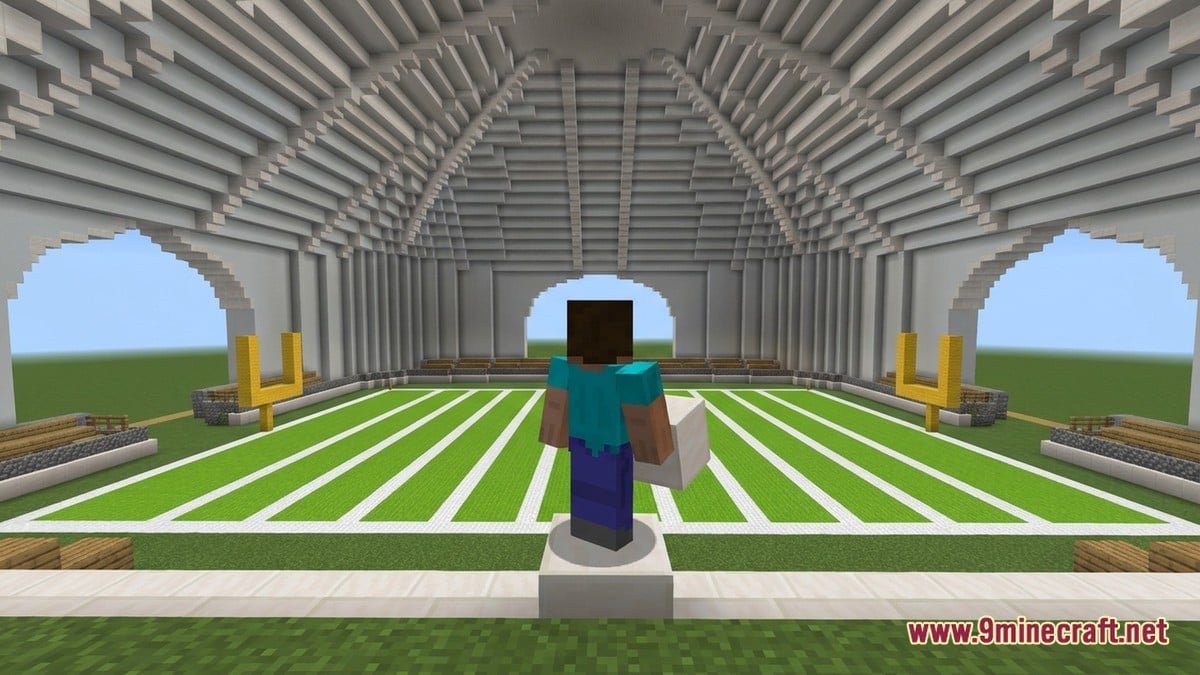
Instead of taking on the build for a contest or recognition, Garcia started the project simply to cure his boredom and stay occupied between classes. He began by flattening a broad tract of land, laying down the central playing field first, and then building outward and upward while working to keep the stadium walls completely symmetrical.
His ability to map out the facility blind came from spending his first two years of university in the marching band. Walking repeatedly through the passages connecting the Wellness and Recreation Center to the stadium gave him a permanent mental map of the corridors, which matched his natural knack for navigation.
Walking the corridors between the Wellness and Recreation Center and the Dome during two years in the marching band locked the entire layout into memory.
Tyler Garcia, speaking to northerniowan.com
Oddly enough, the builder noted that his favourite interior detail to recreate was the men's restroom plumbing. Because marching band members only received a break after the halftime performance, he vivid remembered the giant ceramic urinal troughs with continuously flowing water, choosing to immortalise them in block form precisely because he found them so repulsive in real life.
Reconstructing real-world architecture from memory is a recurring habit for Garcia, who attributes the hobby to neurodivergent brain stimulation. After his former primary school was torn down, he rebuilt the entire schoolhouse using only his recollections from the fourth grade, and he has joked that building the rest of his current university campus would require him to drop out to find enough free time.
How the University of Sussex Built a 19-Million-Block Campus
While Garcia worked solo from memory, students in the United Kingdom took a data-driven approach to digital campus construction. According to sussex.ac.uk, fourth-year Computer Science student Tom Harwood and the University of Sussex Minecraft Society recreated their entire university grounds at a 1:1 scale.
Harwood extracted satellite imagery from Google Maps, scanning 125m² parcels more than 90 times across five days to process over 100GB of geographic data. The resulting 1.42km² virtual map comprises 19 million blocks, spanning from the modern East Slope residences to Falmer House, a Grade 1 listed structure designed by architect Sir Basil Spence.
Because Spence designed the real-world campus on a strict geometric grid with square roads and buildings, the satellite scans translated cleanly into the game's blocky alignment. Following the five-day import, a team of 20 Sussex students divided up the buildings to furnish the interiors, aiming to restore student community bonds after Harwood spent his first year isolated during pandemic remote learning.
UNI-Dome Build (Tyler Garcia)
- Constructed by 1 history student working alone
- Completed in 4 days by flattening land and building outward
- Relied entirely on personal memory with zero reference images
- Focused on a single athletic stadium and its internal corridors
Sussex Campus (Tom Harwood & Team)
- Imported by 1 computer science student plus 20 interior builders
- Took 5 days to scan and import over 90 satellite parcels
- Used 100GB+ of Google Maps data covering 1.42km²
- Encompassed an entire university campus using 19 million blocks
The society also set to work building a year-round virtual freshers fair inside the server featuring society stalls and information boards. Prof Kate O'Riordan, Pro Vice Chancellor for Education and Students, praised the build and noted to sussex.ac.uk that it follows a 2008 project where a computer science graduate built a smaller version of the campus inside Second Life.
High Schoolers Model Ho Chi Minh City Heritage
Beyond university clubs, secondary schools are formally grading sandbox builds as historical coursework. As reported by vietnam.vn, more than 5,000 students and teachers from Professional Cluster 5 gathered at Le Quy Don High School in Ho Chi Minh City on November 14 for an interdisciplinary showcase titled 50:01 – Marking the Dawn (also presented under the banner 50:01 - Echoes Into Tomorrow).
The title marks the 50-year period of the city's development from 1976 to 2026, while the 01 represents a digital transformation for youth across six participating institutions: Le Quy Don, Tran Dai Nghia, Le Thi Hong Gam, Nguyen Thi Dieu, Nguyen Thi Minh Khai, and Marie Curie high schools. Students represented the wards of Saigon, Ben Thanh, Cho Lon, Xuan Hoa, Binh Duong, and Vung Tau through theatrical performances and digital exhibitions.
Nguyen Viet Dang Du, Head of the History Department at Le Quy Don High School, explained to vietnam.vn that teachers used history as the core framework for grades 10, 11, and 12, while computer science, physics, and biology served as tools to produce the physical dioramas and digital models. Phan Thuy Hien, a computer science teacher at the school, highlighted how pupils built 3D Minecraft replicas of heritage sites to turn an entertainment program into educational coursework.
| Initiative | Lead / Institution | Primary Focus |
|---|---|---|
| 50:01 – Marking the Dawn | 6 High Schools in Ho Chi Minh City | 3D Minecraft landmark models, AR dioramas, and heritage maps for 1976–2026 history |
| Minecraft Education Social Studies | Mojang & iCivics (education.minecraft.net) | Village Square, Ancient Egypt, WWI five-lesson worlds, First Nations, and Tulum coding ruins |
| The Minecraft Recreation Project | method & nasko222 (github.com) | Rebuilding missing historical developer and release builds of Minecraft with hashes.info verification |
Alongside the sandbox models, the courtyard exhibition featured an AI chatbot detailing the 1979 Southwest Border War, an augmented reality diorama, an online display covering Nguyen Ai Quoc in Saigon during early 1911, and QR-linked digital museums for the City Theatre, Ben Thanh Market, and Independence Palace. Nguyen Quang Thien Kim, a student in class 10A8 at Tran Dai Nghia Secondary and High School, noted that verifying public data with teachers taught her team that the Independence Palace originated during the French colonial era rather than the American period, while school rules mandated transparent source citations whenever AI tools were applied.
Official Classroom Worlds and Game Preservation
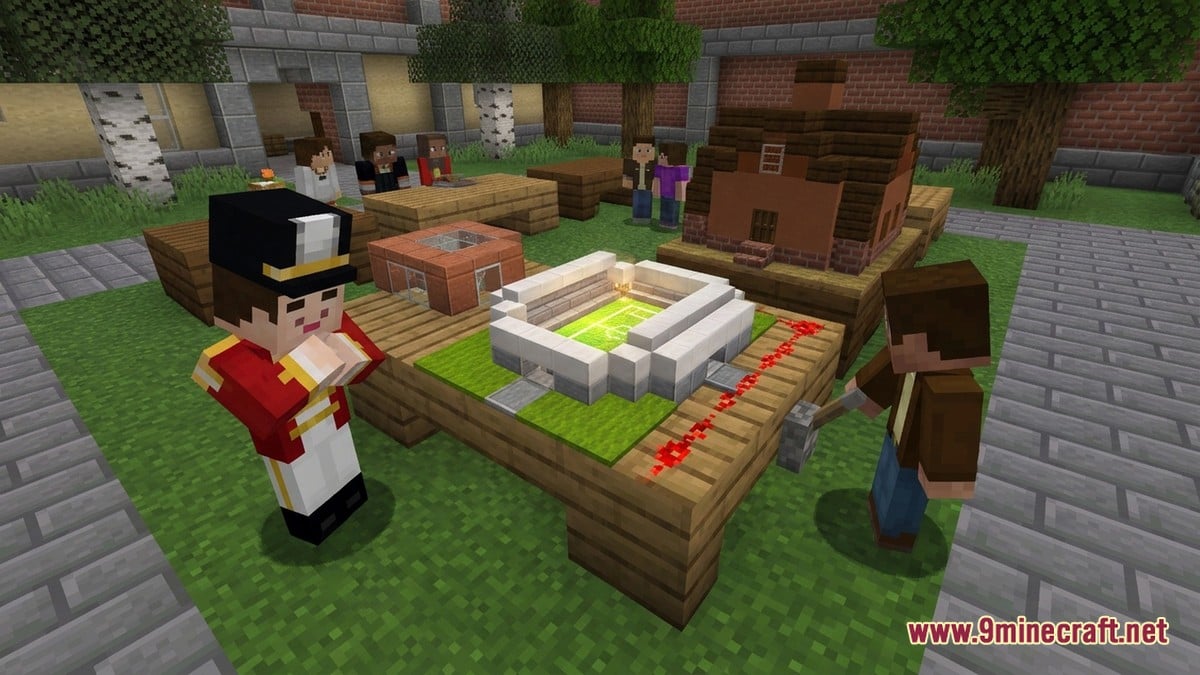
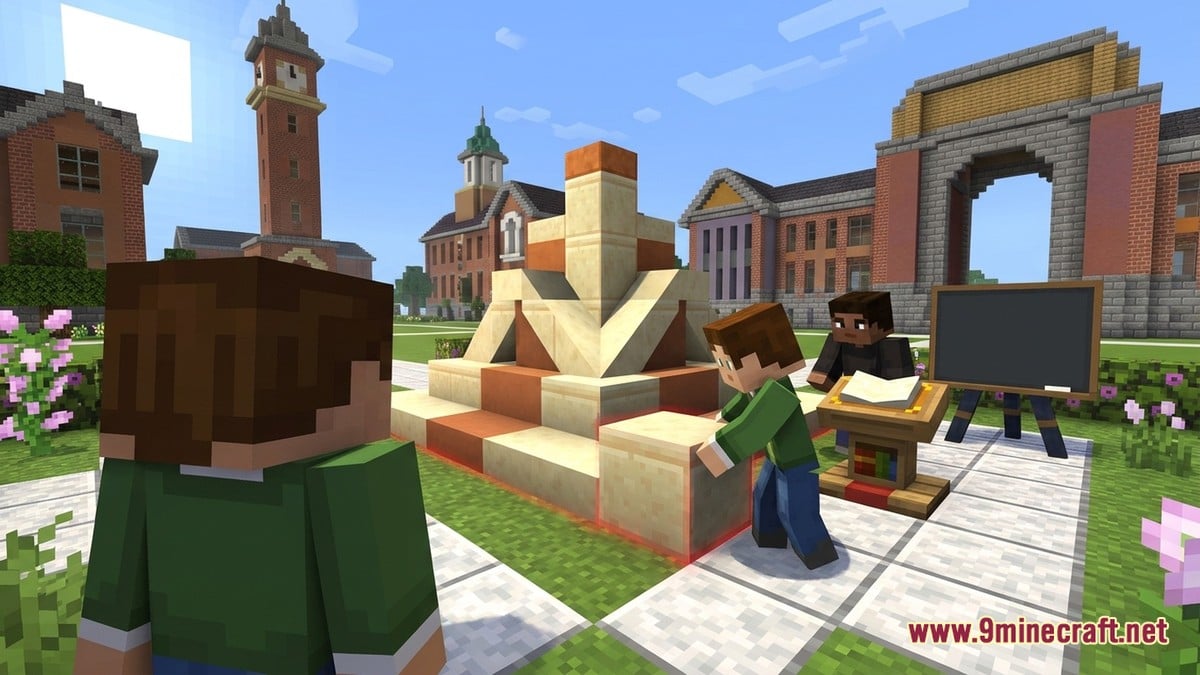
These student-led builds run parallel to official curriculum packs listed on education.minecraft.net, which pairs build challenges with structured lesson plans for social studies and emotional learning. Current official modules include Village Square (developed with iCivics to teach civic compromise), an Ancient Egypt governance and geography world, a five-lesson World War I module covering communication and remembrance, First Nations cultural heritage stories, and an archaeological build in the ruins of Tulum where learners use coding skills to unlock a hidden chamber.
While students use the game to preserve physical architecture, developers are also rebuilding the lost history of the software itself. According to github.com, The Minecraft Recreation Project—originally started by method and continued by nasko222 and contributors—recreates missing historical release and developer builds of the game for educational demonstration until original files are found, providing a hashes.info file so archivers in groups like Omniarchive can distinguish recreated JAR files from original discoveries.
Players inspired to test their own memory on a stadium replica or explore historical architecture maps can jump into the game today. You can download the latest builds directly from our Android, iOS, Windows, patched and Java Edition download pages, which cover Bedrock Edition via Android APK, iOS, Windows GDK, and patched builds, alongside Java Edition resources through the 9Minecraft wiki; always remember to back up your saves before loading large custom maps.
Community Reaction and Builder Takes
Across community forums and video discussions, players have praised the sheer spatial awareness required to build a symmetrical stadium without opening a second monitor for reference images. Fellow builders pointed out that curved domes and diagonal seating bowls are notoriously easy to misalign by a single block, making a four-day blind build a standout achievement, while many found the story behind the marching band restroom troughs hilarious and relatable.
At the same time, technical builders comparing manual recreation against automated tools like the Sussex satellite import noted a clear divide in modern building culture. While some observers critiqued automated geographical imports for lacking the personal touch of hand-placed blocks until interior teams clean them up, others argued that combining satellite data with student decorators is the only realistic way to complete an entire university campus before graduating.
How do you approach building real-world landmarks in Minecraft?
Tap an option to vote